Common Oak Leaf Redwork Design Review
First Impressions: A Touch of Rustic Elegance
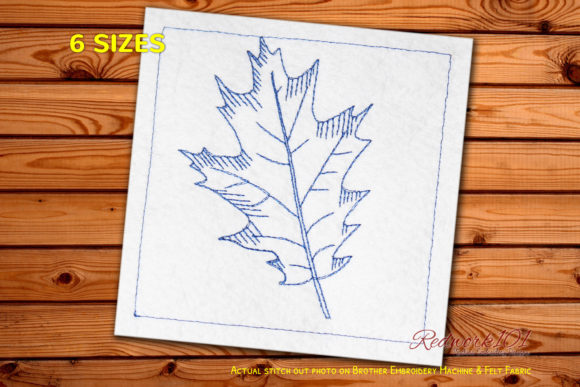
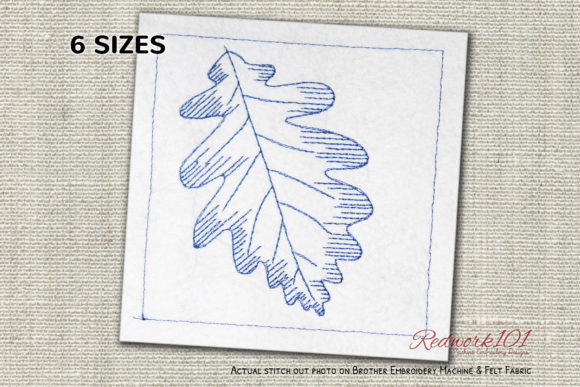
The Common Oak Leaf Redwork Design exudes a charming, rustic elegance that is both timeless and versatile. This design, with its clean lines and simple yet striking appearance, is perfect for a wide range of handmade and craft fair products. The redwork style, known for its single-color embroidery, adds a classic and sophisticated touch to any item.
Product Performance: From Tote Bags to Tea Towels
When considering the Common Oak Leaf Redwork Design for various products, it stands out particularly well on tote bags and aprons. The bold, clear lines of the oak leaf make it an excellent focal point, drawing the eye and adding a touch of nature to these everyday items. For smaller accents, this design works beautifully on embroidered patches and fabric pouches, where its simplicity enhances the overall aesthetic without overwhelming the product.
On kitchen towels and pillow covers, the Common Oak Leaf Redwork Design provides a subtle, decorative element that complements rather than competes with the functionality of the item. The design's versatility makes it a strong choice for market bags and handmade gifts, where it can be used as both a small accent or a larger, more prominent feature.
Practical Selling and Production Points
The Common Oak Leaf Redwork Design is easy to understand at a glance, making it ideal for busy craft fair environments where customers need to quickly assess the quality and appeal of your products. Its clean, straightforward design translates well into both small and large formats, ensuring that it remains visually appealing whether used as a delicate accent or a bold centerpiece.
For online listings, this design photographs exceptionally well, capturing the fine details and the overall elegance of the embroidery. This makes it a strong candidate for Etsy sellers and other digital platforms, where high-quality images are crucial for attracting buyers. Additionally, the design's simplicity lends itself to repeatable batch production, allowing you to create consistent, high-quality items efficiently.
Careful-Use Notes for Optimal Results
- Dense Stitch Areas: Be mindful of dense stitch areas, especially on thicker fabrics like canvas or denim. Test the design on scrap fabric to ensure it doesn't pucker or distort.
- Tiny Details: Small details in the design may not translate well on textured towels or curved cap surfaces. Consider using a stabilizer to maintain clarity and prevent distortion.
- Dark Fabric: Ensure there is enough contrast between the thread color and the fabric, especially on dark backgrounds. This will help the design stand out and be easily visible.
- Small Sizes: When using the design at smaller sizes, check for clarity and adjust the stitch density if necessary to avoid losing important details.
Enhancing Visual Appeal and Customer Engagement
The Common Oak Leaf Redwork Design significantly enhances the visual appeal of your products, adding a touch of natural beauty and sophistication. This design is likely to catch the eye of customers browsing your booth, making it a valuable asset for increasing engagement and sales. The rustic elegance of the design also contributes to the perceived value and quality of your handmade items, helping to build a strong, consistent brand image.
Embroidery Designer Tips for Success
- Test on Scrap Fabric: Always test the Common Oak Leaf Redwork Design on scrap fabric to ensure it meets your quality standards and to make any necessary adjustments.
- Check Thread Contrast: Choose thread colors that provide good contrast against the fabric, especially on darker materials, to ensure the design is clearly visible.
- Review Spacing and Hoop Size: Confirm the spacing and hoop size requirements to ensure the design fits well on your chosen products and to avoid any issues during embroidery.
- Inspect Stitch Density: Adjust the stitch density if needed, particularly for smaller or more detailed areas, to maintain the design's clarity and integrity.
- Use the Right Stabilizer: Select the appropriate stabilizer for the fabric and design to prevent puckering and ensure a smooth, professional finish.
- Create Real Mockups: Make at least one real mockup of the design on your intended product to see how it looks and feels in person. This step is crucial for making any final adjustments before full production.
- Confirm Commercial Licensing: Before selling finished products, always check and confirm the commercial licensing terms for the Common Oak Leaf Redwork Design to ensure compliance.
By following these tips and carefully considering the practical aspects of using the Common Oak Leaf Redwork Design, you can create stunning, high-quality products that are sure to impress and engage your customers at your next craft fair or in your online shop.